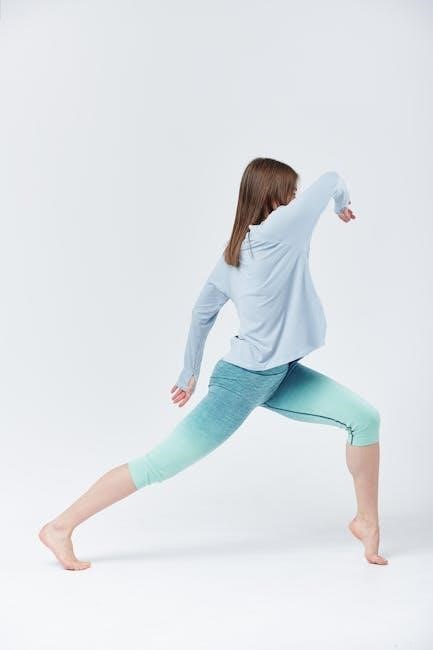
Gluteus Medius Stretch PDF: A Comprehensive Guide
This guide details effective gluteus medius stretches, incorporating rehabilitation techniques from weeks 10-12, alongside biofeedback and EMG insights for optimal muscle control and pain management.
The gluteus medius, often overshadowed by the maximus, is crucial for hip stability and proper movement mechanics. Located on the outer hip, it abducts and internally rotates the leg. Dysfunction can lead to pain in the hip, knee, and even the back. Strengthening and stretching this muscle are key to addressing these issues. This guide focuses on targeted stretches, incorporating rehabilitation principles, and utilizing tools like biofeedback and electromyography (EMG) to assess and improve gluteus medius function. Understanding its role is the first step towards a pain-free, mobile life.
Understanding the Importance of Stretching
Stretching the gluteus medius is vital for maintaining optimal hip range of motion and preventing compensatory movement patterns. Tightness can contribute to lower back, hip, and knee pain, impacting gait and daily activities. Regular stretching improves muscle length, reduces muscle imbalances – particularly dominance of the gluteus maximus – and enhances overall functional movement. Integrating stretching with strengthening exercises, as outlined in rehabilitation programs (weeks 10-12), maximizes benefits. Furthermore, complementary therapies like soft tissue massage can amplify the positive effects of stretching, promoting recovery and preventing future tightness.
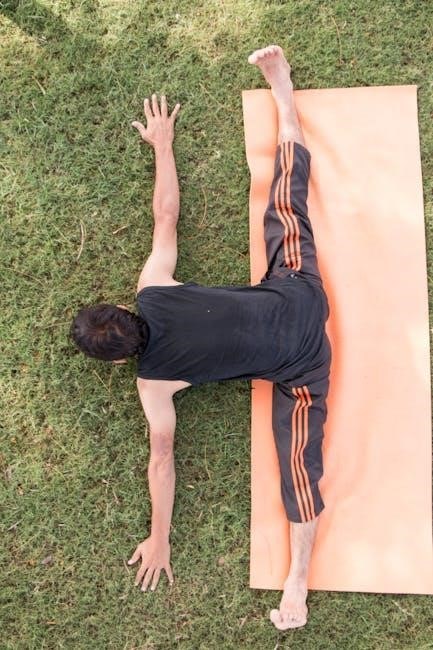
Common Causes of Gluteus Medius Tightness
Prolonged sitting, muscle imbalances, and overuse are primary contributors to gluteus medius tightness, potentially leading to pain and altered biomechanics.
Sedentary Lifestyle & Prolonged Sitting
A predominantly sedentary lifestyle significantly contributes to gluteus medius tightness. Prolonged sitting shortens the hip flexors, inhibiting gluteal muscle activation and leading to weakness. This imbalance forces other muscles to compensate, causing strain and discomfort. Reduced movement restricts blood flow, further exacerbating tightness. Regularly incorporating gluteus medius stretches and strengthening exercises is crucial to counteract these effects. Addressing ergonomic factors, like proper posture and frequent breaks, can also mitigate the negative impact of prolonged sitting on hip health and overall mobility. Prioritizing movement throughout the day is key.
Muscle Imbalances (Gluteus Maximus Dominance)
Gluteus maximus dominance frequently overshadows gluteus medius function, creating imbalances that lead to tightness. When the larger gluteus maximus overpowers the medius, it alters hip mechanics and contributes to poor movement patterns. This dominance can stem from insufficient medius activation or weakness. Strengthening the gluteus medius is vital to restore proper hip stability and function. Targeted stretches help release tension and improve range of motion. Addressing this imbalance prevents compensatory movements and reduces the risk of pain in the hips, knees, and lower back, promoting optimal biomechanics.
Overuse & Repetitive Movements
Repetitive motions, particularly in activities like running or cycling, can strain the gluteus medius. This muscle works tirelessly to stabilize the pelvis during single-leg stance, making it vulnerable to overuse injuries. Consistent, unvaried movement patterns lead to micro-trauma and subsequent tightness. Ignoring early signs of discomfort can escalate the problem. A comprehensive stretching routine, detailed in this PDF, is crucial for mitigating these effects. Incorporating dynamic stretches alongside static holds helps restore muscle length and function, preventing chronic pain and improving performance.

Effective Gluteus Medius Stretches
Explore key stretches like the standing, supine (figure four), and seated variations, plus the piriformis stretch, to release tension and restore optimal gluteus medius function.
Standing Gluteus Medius Stretch
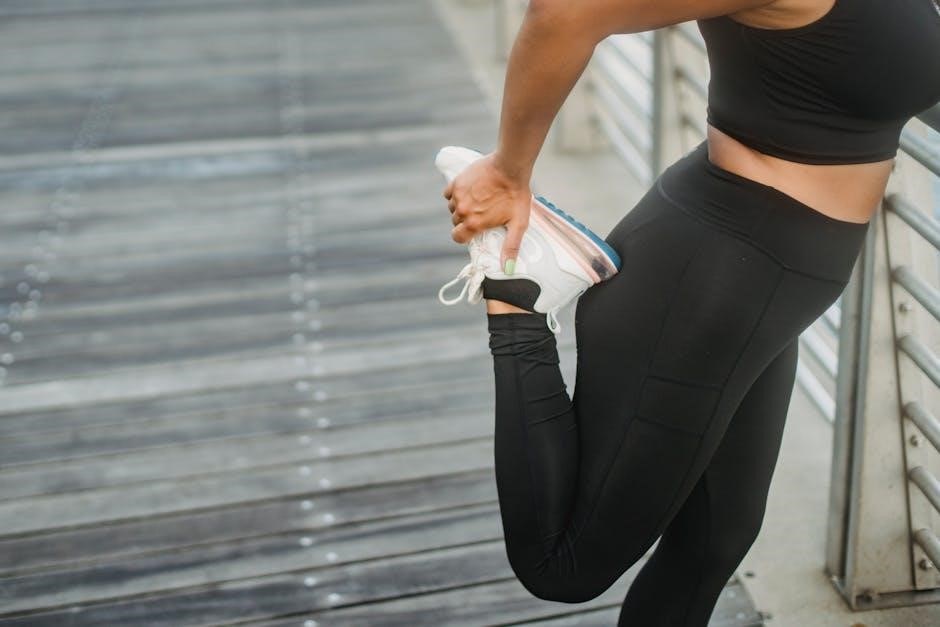
To perform this stretch, stand with feet hip-width apart. Bend the upper arm and place the hand on the hip for support. Slowly cross one leg over the other, stacking the feet. Gently raise the top leg, keeping it straight, while maintaining balance. Hold this position, feeling a stretch in the outer hip and gluteus medius of the supporting leg;
Engage the gluteus medius during the lift and slowly lower the leg back down. Repeat several times on each side. This stretch targets tightness and improves hip mobility. Focus on controlled movements and avoid any pain. Proper form is crucial for maximizing effectiveness and preventing injury.
Supine Gluteus Medius Stretch (Figure Four Stretch)
Lie on your back with knees bent and feet flat on the floor. Cross your right ankle over your left knee, forming a “figure four” shape. Gently pull your left thigh towards your chest, holding behind the thigh or over the shin – avoid pulling on the knee. You should feel a stretch in your right gluteus medius.
Hold the stretch for 20-30 seconds, breathing deeply. Repeat 2-3 times on each side. This stretch effectively targets the gluteus medius and piriformis muscles. Modify the intensity by adjusting how closely you pull your thigh to your chest.
Seated Gluteus Medius Stretch
Begin by sitting on the floor with your legs extended straight out in front of you. Bend your right knee and place your right foot flat on the floor, outside of your left thigh. Keep your back straight and gently lean forward from the hips, maintaining a neutral spine. You should feel a stretch along the outside of your right hip and gluteus medius.
Hold this position for 20-30 seconds, breathing deeply. Repeat 2-3 times on each side. Ensure the stretch is felt in the gluteus medius and not in the lower back. Adjust the depth of the lean to control the stretch intensity.
Piriformis Stretch (Impact on Gluteus Medius)
The piriformis muscle often impacts the gluteus medius due to their proximity. To stretch, lie on your back with knees bent and feet flat. Cross your right ankle over your left knee. Gently pull your left thigh towards your chest, holding behind the thigh or over the shin. You should feel a stretch in your right hip and potentially the gluteus medius.
Hold for 30 seconds, repeating 2-3 times per side. Soft tissue massage targeting the piriformis, iliopsoas, and gluteus medius (PRN) can enhance this stretch’s effectiveness, as recommended in rehabilitation programs.
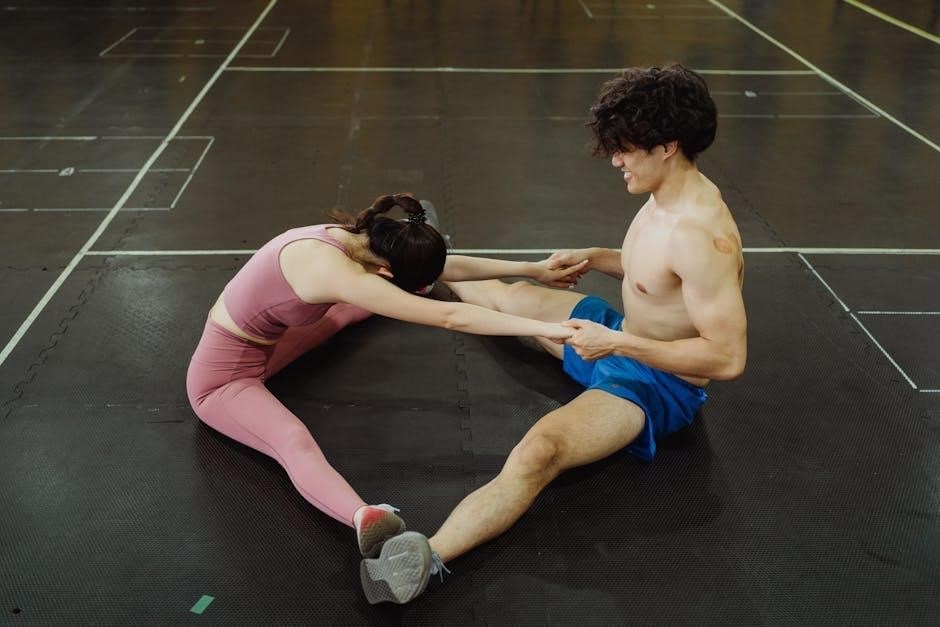
Advanced Stretching Techniques
Explore foam rolling for release, dynamic stretches for mobility, and PNF stretching – utilizing biofeedback and EMG for precise gluteus medius control and improved outcomes.
Foam Rolling for Gluteus Medius Release
Foam rolling targets myofascial restrictions within the gluteus medius, enhancing flexibility and reducing tension. Begin by positioning the foam roller under your hip, focusing on the outer gluteal region. Slowly roll back and forth, applying moderate pressure.
Pay attention to tender spots, pausing for 30 seconds to allow the muscle to release.
This self-massage technique improves blood flow, breaks down adhesions, and prepares the muscle for deeper stretching.
Combine with soft tissue massage (PRN) targeting the iliopsoas, TFL, ITB, piriformis, QL, and hip adductors for comprehensive release, as recommended by therapists.
Dynamic Gluteus Medius Stretches
Dynamic stretches prepare the gluteus medius for activity, improving range of motion and reducing injury risk. A key exercise involves leg raises while maintaining stacked legs and engaging the gluteus medius.
Bend the upper arm and place the hand on the hip for stability.
Slowly raise the top leg, holding briefly before lowering.
These controlled movements enhance hip mobility, crucial for gait symmetry and overall function. Incorporate these into warm-ups alongside other exercises, focusing on controlled movements and avoiding pain.
PNF Stretching (Proprioceptive Neuromuscular Facilitation)
PNF stretching utilizes muscle contractions to enhance flexibility in the gluteus medius. While specific PNF protocols aren’t detailed in the provided text, the context of EMG biofeedback suggests its application.
EMG assesses gluteus maximus and medius function, guiding targeted PNF techniques.
This involves contracting, then relaxing the muscle against resistance, increasing range of motion.
Combined with soft tissue work (iliopsoas, TFL, ITB, piriformis), PNF can effectively address gluteus medius tightness and improve hip mechanics.
Integrating Stretching into a Rehabilitation Program (Weeks 10-12)
Weeks 10-12 focus on gentle hip flexor stretches, the modified Thomas position, pain/swelling control, gait symmetry, and progressive range of motion exercises (A/PROM).
Manual Hip Flexor Stretching
Manual hip flexor stretching is a cornerstone of rehabilitation during weeks 10-12, emphasizing a gentle, pain-free approach. This technique aims to restore optimal hip range of motion, directly impacting gluteus medius function. Practitioners utilize hands-on techniques to lengthen the iliopsoas and rectus femoris, key hip flexors often contributing to tightness.
The modified Thomas position, or utilizing pillows for support, facilitates effective stretching. Concurrently, modalities are employed for pain and swelling control, enhancing patient comfort and promoting healing. Consistent application supports improved gait symmetry and overall functional recovery.
Modified Thomas Position
The Modified Thomas Position is a crucial component of gluteus medius rehabilitation, implemented during weeks 10-12. This assessment and stretch effectively identifies and addresses hip flexor tightness, a common contributor to gluteal dysfunction. By bringing the knees to the chest and slowly extending the legs, therapists can assess hip extension limitations.
Pillows strategically placed under the buttocks can modify the position for patient comfort and control. Gentle, pain-free stretching is prioritized, often combined with modalities to manage discomfort and swelling. This technique supports improved hip mobility and facilitates optimal gluteus medius activation.
Modalities for Pain & Swelling Control
Effective pain and swelling management is integral to a successful gluteus medius rehabilitation program, particularly during weeks 10-12. Various modalities can be employed to complement stretching and strengthening exercises. These may include cryotherapy (ice packs) to reduce inflammation and edema, or thermotherapy (heat) to promote blood flow and muscle relaxation.
Other options, as indicated by a healthcare professional, could involve electrical stimulation or ultrasound therapy. These modalities aim to alleviate discomfort, allowing patients to participate more fully in their rehabilitation and achieve optimal outcomes. Careful monitoring and individualized treatment plans are essential.
Complementary Therapies
Soft tissue massage, PRN, targets scar tissue, iliopsoas, TFL, ITB, piriformis, QL, and gluteus medius, enhancing flexibility and reducing muscle tension for improved outcomes.
Soft Tissue Massage (PRN)
Soft tissue massage serves as a valuable complementary therapy, applied “as needed” (PRN) to address restrictions impacting gluteus medius function. Specific areas targeted include scar tissue, the iliopsoas, tensor fasciae latae (TFL), iliotibial band (ITB), piriformis, quadratus lumborum (QL), paraspinals, hip adductors, and, crucially, the gluteus medius itself. This focused approach aims to release myofascial tension, improve tissue mobility, and reduce pain. Effective massage can restore optimal muscle length and function, supporting the benefits of stretching and strengthening exercises. Consistent application, guided by patient response, maximizes therapeutic gains.
Gait Training & Symmetry
Restoring symmetrical gait patterns is paramount during rehabilitation, particularly following gluteus medius dysfunction. Gait training focuses on correcting deviations caused by weakness or tightness, ensuring even weight distribution and efficient movement. Observation and analysis identify asymmetries, guiding targeted interventions. Exercises emphasize proper hip and pelvic stabilization throughout the gait cycle. Addressing gait imbalances reduces compensatory movements and minimizes stress on other joints. Progressively challenging walking patterns, incorporating varied terrains and speeds, optimizes functional recovery and promotes long-term stability.
Range of Motion (ROM) Exercises
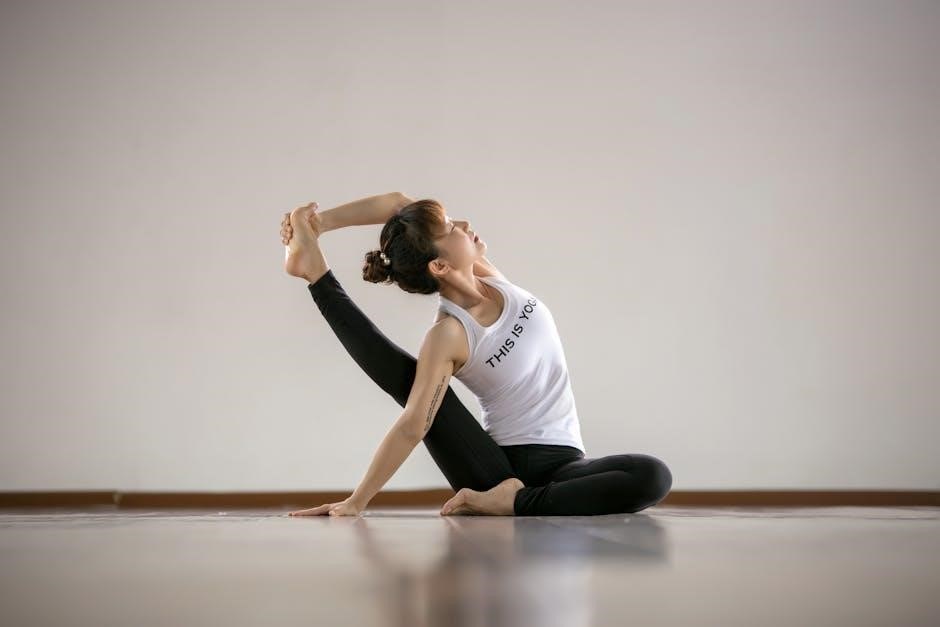
Progressive ROM improvement utilizes active-assisted techniques in all directions, enhancing hip mobility and flexibility, crucial for restoring optimal gluteus medius function.
Active Assisted Range of Motion (A/PROM)
A/PROM exercises are fundamental in rebuilding gluteus medius function, particularly during rehabilitation weeks 10-12. These involve the patient initiating movement while a therapist gently guides and supports the limb through its full range. This technique helps overcome weakness and pain, progressively increasing hip motion in all directions. Focus is placed on controlled movements, avoiding discomfort.
The goal is to enhance muscle activation and improve proprioception. A/PROM prepares the gluteus medius for independent strengthening exercises, ultimately restoring symmetrical gait patterns and reducing compensatory movements. Consistent application, alongside soft tissue work and modalities, yields optimal results.
Progressive ROM Improvement
Following A/PROM, focus shifts to progressively increasing the range of motion (ROM) independently. This builds upon the foundation established with assistance, challenging the gluteus medius to work through a greater arc of movement. Weeks 10-12 emphasize gradual increases, monitoring for pain or limitations.
Improvements are achieved through consistent stretching and strengthening, coupled with gait training to reinforce proper biomechanics. Regular assessment is crucial to tailor the program, ensuring continued progress. The American Hip Institute recommends a systematic approach, prioritizing quality of movement over quantity, to prevent re-injury and optimize functional outcomes.
Strengthening Exercises to Support Stretching
Strengthening the gluteus medius is vital alongside stretching; exercises like hip abduction and activation build stability, supporting improved range of motion and preventing future tightness.
Gluteus Medius Activation Exercises
Activating the gluteus medius is crucial before and during stretching to ensure proper muscle engagement and maximize benefits. Begin with clam shells, lying on your side with knees bent and lifting the top knee, maintaining core stability.
Side-lying leg lifts, focusing on controlled abduction, also effectively target this muscle.
Single-leg bridges, performed with careful attention to hip alignment, further enhance activation.
These exercises prepare the muscle for stretching, improving flexibility and preventing imbalances. Remember to engage the gluteus medius throughout each movement, focusing on quality over quantity.
Hip Abduction Exercises
Hip abduction exercises are fundamental for strengthening the gluteus medius, supporting improved range of motion and stability. Standing hip abductions, using a resistance band around the ankles, effectively target the muscle.
Side walks with a resistance band further challenge the gluteus medius.
Focus on maintaining a neutral spine and controlled movements throughout each exercise.
Progress gradually, increasing resistance as strength improves. These exercises complement stretching by reinforcing muscle function and preventing future tightness, contributing to overall hip health.
The Role of Biofeedback & EMG
Electromyography (EMG) assesses gluteus medius activity, guiding biofeedback for enhanced control during exercises and stretches, optimizing rehabilitation and preventing future dysfunction.
Electromyography (EMG) for Muscle Assessment
Electromyography (EMG) plays a crucial role in objectively evaluating gluteus medius function. During assessment, EMG identifies muscle activation patterns, pinpointing weaknesses or imbalances contributing to tightness and pain. Specifically, when registering pelvic and lower limb muscles for biofeedback, the gluteus maximus and medius are key targets. This diagnostic tool helps determine if the gluteus medius is firing correctly during stretching and strengthening exercises.
EMG data informs personalized rehabilitation plans, ensuring exercises effectively engage the target muscle. It also helps monitor progress, verifying improved muscle control and activation over time, ultimately optimizing treatment outcomes and preventing recurrence of issues.
Biofeedback for Gluteus Medius Control
Biofeedback empowers patients to gain conscious control over their gluteus medius activation. Utilizing EMG signals, biofeedback provides real-time visual or auditory feedback, demonstrating muscle activity during stretches and exercises. This allows individuals to learn how to properly engage the gluteus medius, improving its function and reducing compensatory movement patterns.
By visualizing or hearing their muscle response, patients can refine their technique, maximizing the effectiveness of stretching and strengthening routines. Biofeedback is particularly valuable for addressing muscle hypotension, commonly observed in the gluteus maximus and medius, fostering optimal neuromuscular control.
Preventing Future Tightness
Consistent stretching and ergonomic adjustments are key. Regular routines, coupled with mindful posture and workspace setup, minimize recurrence of gluteus medius tightness and discomfort.
Regular Stretching Routine
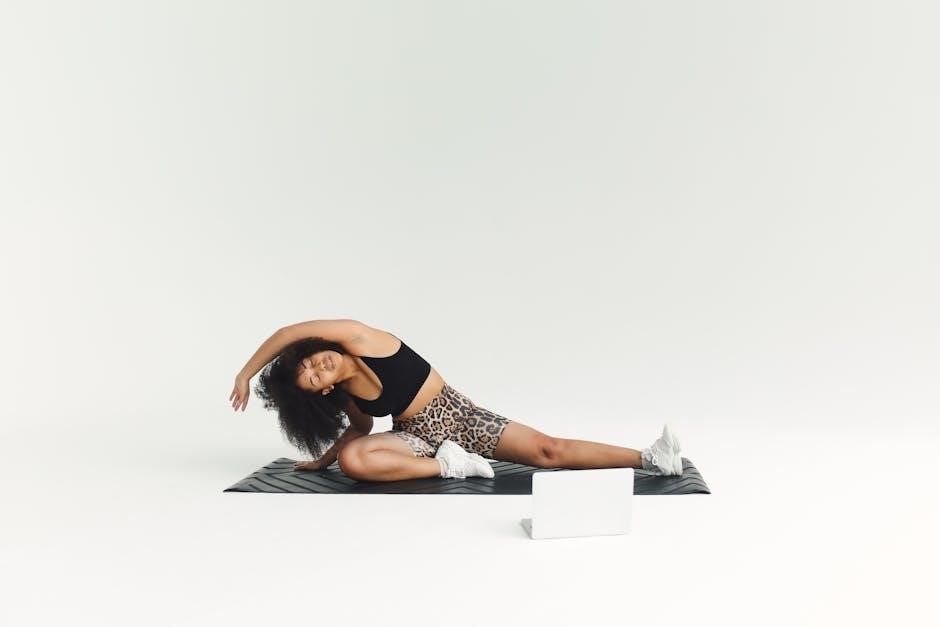
Establishing a consistent stretching routine is paramount for long-term gluteus medius health. Incorporate stretches daily, or at least three times per week, focusing on the standing, supine (figure four), and seated variations detailed previously. Prioritize gentle movements, avoiding pain. Remember to complement stretching with strengthening exercises to maintain balanced muscle function. Consider setting reminders to ensure adherence. A proactive approach, including mindful movement throughout the day, will significantly reduce the risk of future tightness and associated discomfort. Consistency is truly the cornerstone of preventative care.
Ergonomic Considerations
Prolonged sitting, a common contributor to gluteus medius tightness, necessitates ergonomic adjustments. Ensure your workstation supports proper posture – feet flat on the floor, back supported, and monitor at eye level. Regularly break up extended sitting periods with short walks or standing stretches. Consider using a supportive chair with adjustable lumbar support. Paying attention to your body’s position throughout the day minimizes strain on the gluteus medius. Implementing these changes proactively can significantly reduce the risk of developing tightness and discomfort, fostering long-term musculoskeletal health.
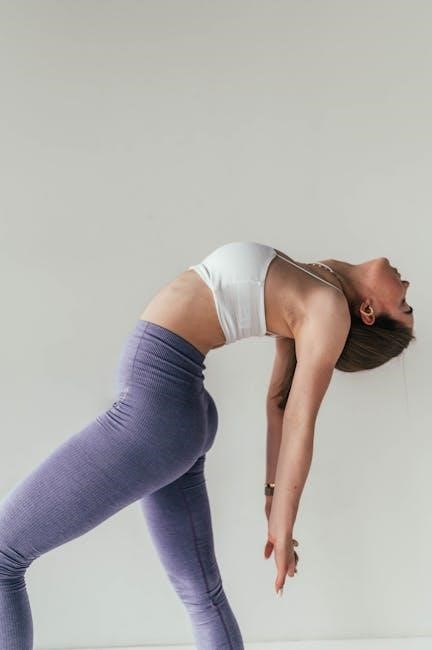
Resources & Further Information
Explore the American Hip Institute (www.americanhipinstitute.com) for detailed insights. Numerous PDF resources offer guided gluteus medius stretches and rehabilitation protocols for comprehensive care.
American Hip Institute (www.americanhipinstitute.com)
The American Hip Institute provides extensive resources for hip and gluteal muscle health. Their website details comprehensive approaches to diagnosing and treating gluteus medius dysfunction, including tailored stretching and strengthening programs. You can find information on manual therapies, gait training, and the integration of modalities for pain and swelling control, mirroring techniques used in weeks 10-12 of rehabilitation.
Contact them directly at 630-920-2323 to discuss personalized treatment options and access specialized expertise in hip biomechanics and muscle imbalances. They emphasize symmetry in gait and offer insights into soft tissue mobilization techniques like PRN for optimal recovery.
PDF Resources for Gluteus Medius Stretches
Numerous PDF guides detail gluteus medius stretches, often outlining progressive rehabilitation programs. These resources frequently showcase variations of the supine figure-four stretch, standing stretches, and piriformis stretches – all crucial for addressing tightness. Many emphasize the importance of incorporating dynamic stretches and foam rolling for release.
Look for PDFs that integrate strengthening exercises alongside stretching, focusing on gluteus medius activation. Resources often highlight the role of biofeedback and EMG in assessing muscle function and guiding effective treatment, mirroring approaches used in advanced rehabilitation protocols.